Action in the Early Years
At Chughtai International School, we believe that even our youngest learners are capable of thoughtful action. Action is not about large projects or formal assignments. It grows from the everyday choices children make when they care deeply, wonder freely and feel a sense of belonging in their environment.
In the early years, action is seen in small but meaningful moments. When children feel valued, heard and trusted, they naturally begin to act with empathy, confidence and responsibility. This is the heart of our approach.
How Action Develops in Our Early Years Program
01 Taking Initiative
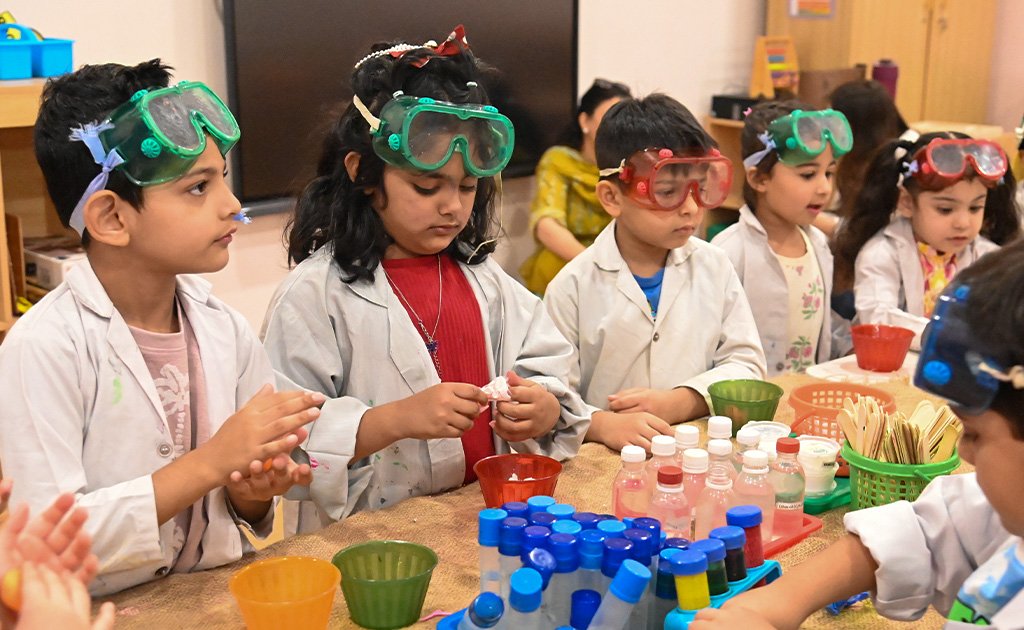
Children take initiative when they make choices based on interest, curiosity, or personal motivation. This may look like gathering materials to build something, revisiting a question from earlier in the day, or suggesting a new way to solve a problem. When children lead their own exploration, they begin to see them selves as capable thinkers.
02 Showing Care
Care is one of the earliest and most powerful forms of action. Children show care when they comfort a friend, tidy a shared space, water a plant, or help a younger classmate. These moments build empathy and support the development of peaceful, respectful learning communities
03 Contributing Ideas
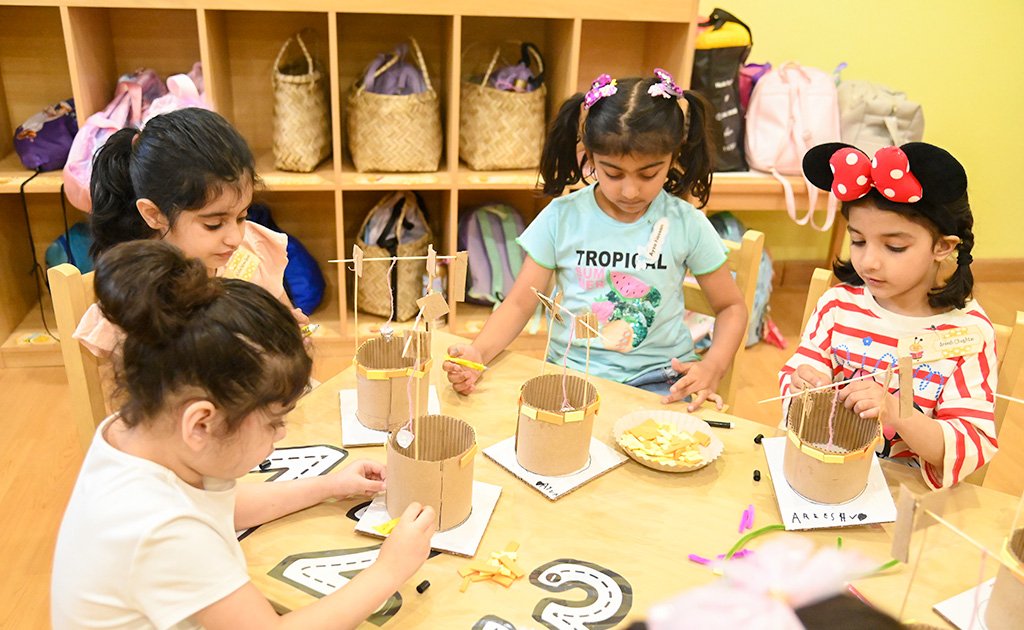
Action also appears when children contribute ideas to the group. A child might propose a new game, suggest adding materials to a play area or share an observation from home that enriches the inquiry. Teachers respond by documenting ideas, offering language and helping children act on their thinking
04 Making Connections
Young learners act when they connect classroom learning to the world beyond school. They might collect leaves after noticing patterns in class, reuse materials to reduce waste or bring in an object from home to extend an inquiry. These moments show that learning is becoming meaningful and personal.
05 Building Community
Group action happens when children work together to create something bigger than themselves. It can be as simple as collaborating on a mural, designing a pretend market or welcoming a new class mate. Community action teaches responsibility, cooperation, and shared purpose
Recognizing the Five Types of Action Recognized within the International Baccalaureate (IB) Ethos
Participation
Children engage in meaningful involvement with people and environments around them. In the early years, this might be helping organize a classroom celebration, volunteering to be a helper for the day, assisting a friend during play, or choosing to take part in a shared project. Participation teaches children that they belong and that their contribution matters.
Lifestyle Choices
Lifestyle action happens when children make choices that show awareness of health, sustainability or well-being. A child may choose to reuse materials, turn off lights, pour their own water carefully or practice deep breathing when feeling emotional. These actions build lifelong habits of self care and environmental responsibility.
Social Entrepreneurship
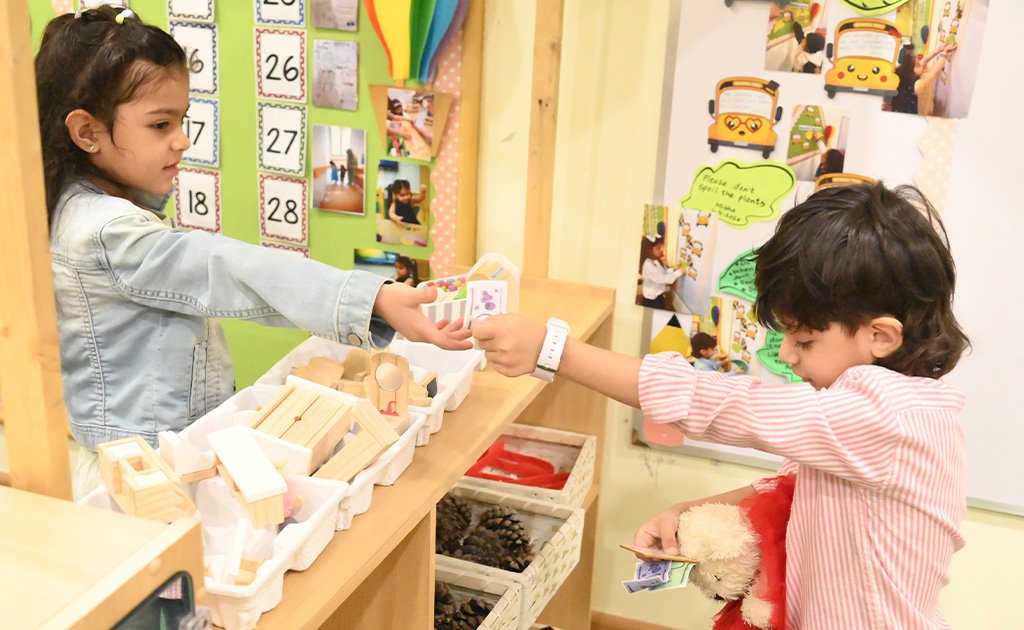
This type of action grows when children find creative ways to solve problems or improve some thing in their environment. Examples include creating signs for classroom areas, organizing materials to make access easier for everyone, or setting up a pretend shop to understand exchange and responsibility. These small experiences build confidence and innovation.
Social Justice
Young children begin to understand fairness through their experiences. Early social justice action appears when children question unfairness, stand up for a friend or express concern about someone being left out. Through stories, role play
and daily experiences, children learn that fairness and respect guide how we treat others.
Advocacy
Advocacy emerges when children express a belief, feeling, or idea that supports fairness, kindness, or care. In the early years, advocacy may look like a child saying, “Let’s take turns”, “That plant needs water”, or “We should include everyone.” Teachers value these moments because they show early empathy and a growing sense of justice.